How To Tell If You're In The Right Position For Buy Franz Bulldog
Buy Franz Bulldog Buy Franz Bulldog for those who live in a small home or travel often. They are only moderately active and can be kept in small indoor spaces. Owners praised their playfulness as the most positive aspect of their dogs. They love to interact with their people and are a pleasure to be around. Origins When English lace workers fled the Industrial Revolution and moved to northern France and northern France, they brought their bulldogs with them. These dogs were popular in the rural communities which they assisted with farming and chased away rats. The lace-makers crossed their dogs with local French terriers and pugs to create the modern breed. This cross-breeding led to the bat-ears which are a distinctive characteristic of the Buy Franz Bulldog. The popularity of the breed increased when it caught the attention of the Parisian artists and bourgeoisie. They embraced it for its distinctive appearance and capacity to adapt to city life. They also admired the breed's ability to connect with both adults and children. The change in the status of the breed was made possible by the rise of fashionable circles who wanted to express themselves through the products they consume as well as the animals they keep. As the popularity of the breed grew as it grew, more Americans and Englishmen bought the breed in France. They would then take the dogs back to their respective countries, where they spread throughout society. In the Golden Age, wealthy American women began seeking out this beautiful and charming breed. The French Bulldog became popular with the upper classes, such as actors and actresses, as well as with European royalty. Ortipo was the name given to the dog owned by the Grand Duchess Tatiana Nikolaevna, of Russia. Today the Buy Franz Bulldog remains a popular choice with politicians, celebrities and businessmen. Many families consider it a wonderful companion. The breed's distinctive personality and charming looks continue to draw admirers from all over the world. The breed was first introduced to England during the Industrial Revolution. In the 1800s in England, cottage industries like lace-making were struggling to survive. Lace-makers often worked for long hours and needed a gentle companion to keep them entertained. They began to breed their bulldogs with pugs and terriers to create smaller dogs that were easier to manage on the farm. These small dogs were very popular with lace-makers who employed them as lap warmers and to eliminate rats from their workplaces. Characteristics 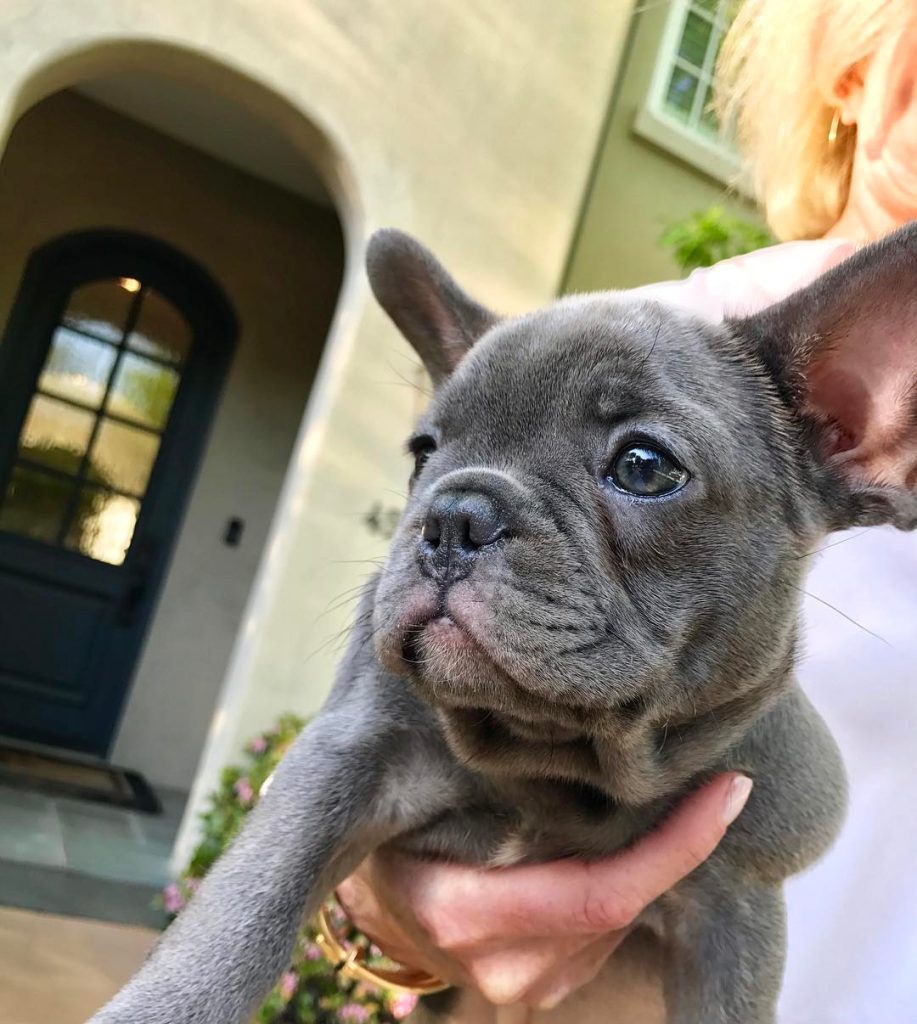 French Bulldogs are known for their endless affection and loving personalities. They are the perfect companion for those who are looking for a dog that can understand their feelings and be there for them through difficult times, as well as enjoy their happy moments. They are able to adapt well to a variety of environments and require only moderate exercise that can be achieved through daily walks and indoor games. They are the perfect pets for those living in apartments or those who have limited outdoor space. This Internet site get along well with pets and children. Grand Duchess Tatiana Nikolaevna who was the daughter of Tsar Nicholas II even had a adorable Frenchie named Ortipo! Health Besorgnization The brachycephalic characteristics of Frenchies which make them adorable can also cause health problems. Their shortened noses can compress the tissues at the back of their throats, which can cause breathing problems. A shorter spine can increase the risk of spinal deformities. These issues can lead to pain and discomfort, but treatment is generally effective. Other breeds of brachycephalics are more susceptible to joint and arthritis issues such as patella luxation, in which the kneecap can slip temporarily out of position. This is more prevalent in smaller dogs and may cause your dog to hop or skip when they walk. Depending on the severity of the issue it may require surgery. Another health issue is a genetic heart condition known as dilated cardiomyopathy. It causes an over-sized heart that isn't able to effectively pump blood. The enlargement could cause irregular heart rhythms. It is crucial to choose a responsible French Bulldog breeder and to keep your dog up-to date on yearly vaccinations. Frenchies are prone to digestive issues, such as food allergies and inflammatory bowel disease that can lead to chronic diarrhea. They are also prone to mammary tumours as well as pyometra (an infection of the uterus). If you're planning to breed your French Bulldog, it's important to get her neutered at the time she reaches musculoskeletal maturity which is around 8-10 months. Because of their shortened faces, Frenchies have narrow nostrils and are more likely to be afflicted by respiratory problems like brachycephalic obstructive airway syndrome (BOAS). This condition is caused by the compression of tissues in their nasal passages that are narrower, which can lead to coughing, wheezing and trouble breathing. They are also more prone to heat stroke since they cannot pant effectively and are less able to regulate their body temperature. To avoid this, never leave your dog in the sun or crate him for prolonged periods of time. Also, keep track of his exercise needs throughout the summer. They also have an increased chance of developing cataracts. Take your French Bulldog for walks during cool times of the day. Training Frenchies are intelligent and flexible dogs that can be loyal companions to their owners. They are highly social dogs who thrive on interaction and require moderate exercise. Because of their calm demeanors and versatility, they are excellent pets for singles or couples, as well as families. They require little maintenance and can be kept in an apartment or a home with a garden, or an apartment. They are only required for periodic walks and playtime. French Bulldogs, unlike other breeds, are extremely responsive to positive reinforcement methods and clicker training. This makes them an ideal choice for beginners who are looking to train their dog with reward-based methods. If you are not familiar with training, think about buying a book or an e-course that offers step-by-step instructions on how to teach your Frenchie basic obedience commands. If your French Bulldog starts chewing on things he shouldn't be, try distracting him and then returning him to the thing he should be chewing on. If he's chewing on objects that could cause damage, like furniture or shoes, direct him to a tough rubber toy. Encourage him to start chewing on a wholesome object. Never make harsh verbal corrections or punishments if chewing on a prohibited object.